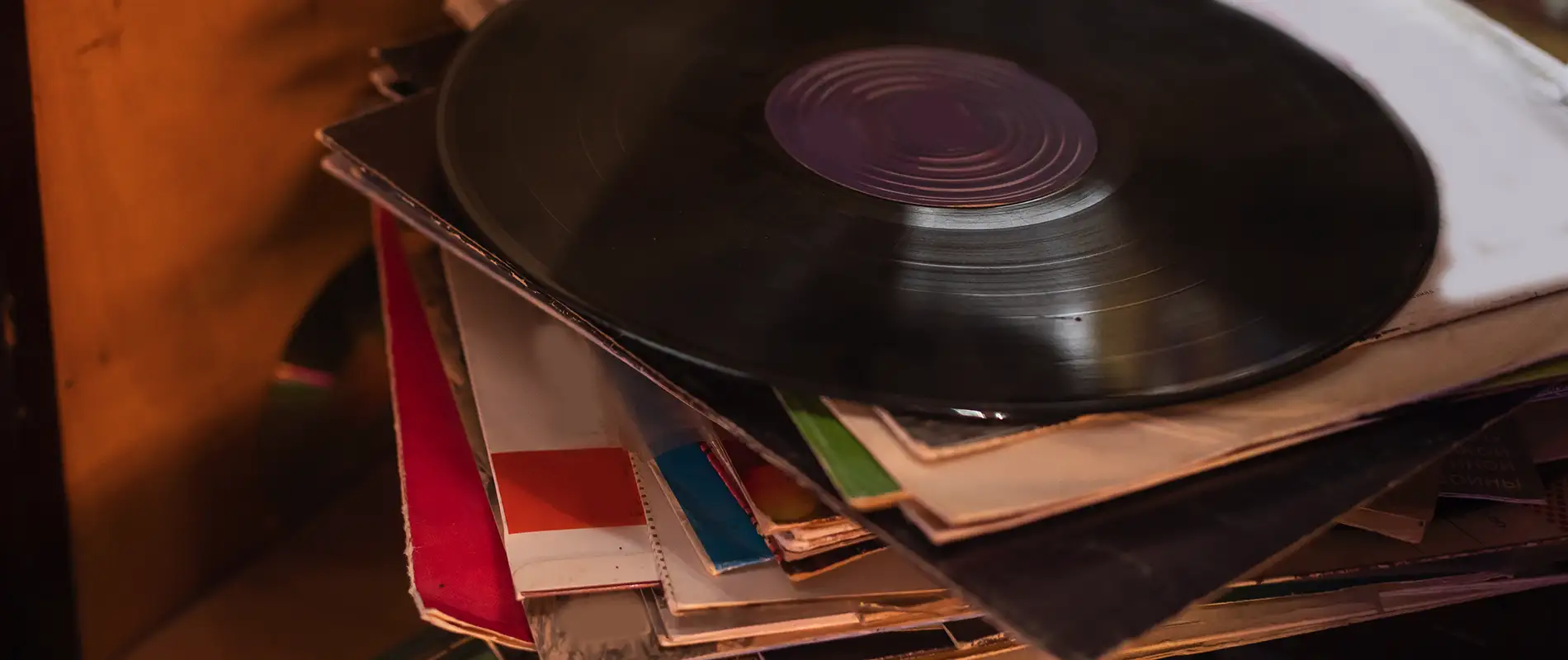
For decades, albums have been the cornerstone of the music industry, representing an artist’s complete vision and a cohesive narrative. However, with the rise of streaming services like Spotify, Apple Music, and YouTube, the landscape of how music is consumed has dramatically shifted. This begs the question: Are albums dead?
The Decline of Album Sales
Album sales have undeniably declined in the past two decades. According to the Recording Industry Association of America (RIAA), physical album sales dropped by over 80% between 2000 and 2020. Digital downloads, once thought to be the savior of albums, have also plummeted as streaming has taken over. Platforms like Spotify prioritize playlists and single tracks, giving listeners the ability to cherry-pick songs instead of consuming an album as a whole.
This trend aligns with how people listen to music today. Short attention spans and algorithm-driven recommendations have created an environment where singles thrive. Artists like Lil Nas X and Olivia Rodrigo have seen meteoric rises to fame on the strength of a single viral hit, bypassing the traditional album cycle.
Why Some Artists Still Embrace Albums
Despite the dominance of singles, albums remain relevant for many artists. Taylor Swift, for example, continues to create and release albums that dominate charts and captivate audiences. Her recent re-recordings of her discography have proven that albums can still be culturally significant events.
For Swift and others, albums provide:
• Artistic Expression — Albums allow artists to tell a story or explore a theme in a way that standalone singles cannot.
• Brand Building — A cohesive album can solidify an artist’s identity and deepen their connection with fans.
• Economic Incentives — Albums often come bundled with merchandise, concert tickets, or exclusive content, creating multiple revenue streams.
The Rise of Singles and Playlists
In the streaming era, the focus has shifted towards singles and playlists. Data from Spotify shows that curated playlists account for a significant portion of streams, often overshadowing albums. For emerging artists, getting a single onto a popular playlist can lead to massive exposure and a surge in monthly listeners.
This shift has also impacted marketing strategies. Instead of promoting a full album, many artists release a steady stream of singles over time to maintain visibility and engagement. Each release is an opportunity to re-engage with fans and attract new listeners, which aligns with how algorithms prioritize new content.
Balancing the Two Worlds
While singles dominate streaming platforms, albums still hold cultural and commercial value. For artists, the decision to release an album versus focusing on singles often depends on their goals and audience. Established artists with loyal fanbases can afford to invest in albums, while newcomers may find singles more effective for building momentum.
Conclusion
The evolution of music consumption has not rendered albums obsolete, but it has changed their role in the industry. Singles and playlists are undoubtedly the dominant forces in streaming, but albums remain a powerful medium for storytelling and fan engagement. Artists who wish to succeed today must adapt to the dual demands of crafting compelling singles and creating narratives that resonate with audiences.
Sources
- Recording Industry Association of America (RIAA)
- Spotify’s “Loud & Clear” Transparency Report
- Music Business Worldwide – Analysis of Taylor Swift’s Re-Recordings
- Nielsen Music’s Annual Reports
- “The State of Music Consumption in 2023” – MIDiA Research
Promoting Your Music Used to Be Hard
From playlist pitching to EPKs and email updates, SongTakes makes music marketing something you can actually do well.